Looking back at the history of Rose
Lane,
Biggleswade
by Ken Page
Rose Lane takes its name from the public House (Rose and Crown, 1785-1899, later the Rose) at the junction with the High Street at number 75.
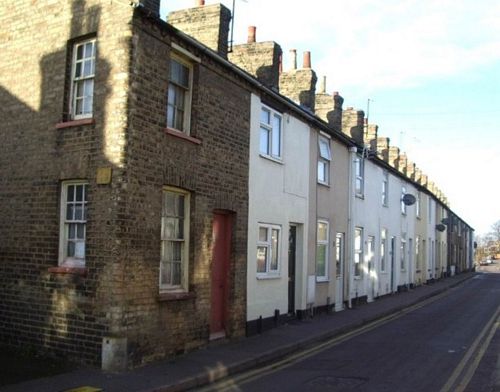
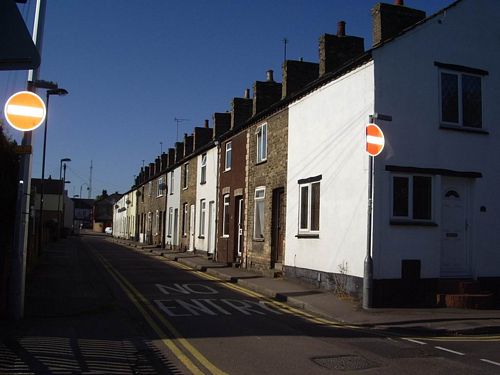
Entering Rose Lane at its southerly end from the High Street past the entrance to Church Street on the left the first properties on that side are ROSE TERRACE numbers 6-44, these twenty cottages were built about 1860. The occupants from census records are detailed below; the association with particular properties is speculation as the places were not numbered at this time; this applies to other census records on this page.
|
|
|
|
Rose Terrace in 2008 |
Rose Terrace looking back up to the High Street in 2001 |
|
1861 |
1871 |
1881 |
1891 |
1901 |
|
Daniel Geary |
Joseph Watson |
Charles Crouch |
Charles Crouch |
Rebecca Crouch |
|
William Cousins |
William Cousins |
Elizabeth Cousins |
Frederick Skilleter |
Frederick Skilleter |
|
John Hudson |
John Hudson |
John Hudson |
John Cherry |
George Gurney |
|
Thomas Bridge |
James Burrows |
James Burrows |
James Burrows |
Walter Wren |
|
Thomas Gardener |
Thomas Cherry |
George Cherry |
George Cherry |
George Cherry |
|
George Chesham |
Charles Carter |
George Milton |
George Milton |
Henry Francis |
|
George Wilcock |
Charles Sabey |
Charles Sabey |
Charles Sabey |
George Wilson |
|
Caleb West |
Christopher Adcock |
Thomas James Swain |
William Bottoms |
John Swales |
|
Mary Dickens |
John Kitchener |
John Kitchener |
? |
Lewis Rainbow |
|
Edward Green |
John Uler? |
William Barley |
William Barley |
Bessie Boness |
|
Richard Tanner |
Ann. Illesley |
William Wells |
George Field |
Alfred Robinson |
|
Joseph Chessum |
Ann Sears |
Henry Breed |
Charles Beck |
Samuel Milliner |
|
George Garton |
George Garton |
Jesse Allen |
James Bray |
Robert Knott |
|
John Reynolds |
John H Reynolds |
John Hustwait
Reynolds |
Samuel Daniels |
Edward Freeman |
|
William Aldrage |
William Aldrage |
William Aldridge |
William Aldridge |
Sophia Roberts |
|
Hannah Horton |
Frederick Gurney |
James Wilson |
George Milton |
Frederick Scott |
|
William Robinson |
John Bottoms |
Jesse Brown |
Henry Sear |
Harry Smith |
|
John Brown |
Samuel Meyhew |
Samuel Meyhew |
Samuel Mehew |
Ernest Elham |
|
William Clark |
unoccupied |
Eliza Clark |
Ernest Cannon |
Rosa Albone |
|
William Draper |
William Draper |
William Burnage |
Martha Pearce |
James Wybrow |
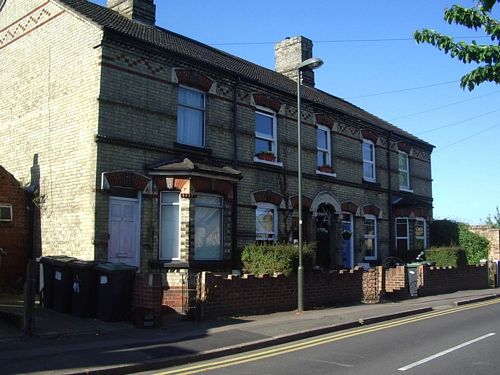
We then turn left again to 1-4 CLAREMONT COTTAGES that were built 1895, seen below in 2009
|
1901 |
|
|
William
Newman |
|
|
William
Walsingham |
|
|
Samuel
Harris |
|
|
Mary
Harwood |
The site of 6 cottages called WINDSOR TERRACE built about 1860 is now part of ASDA.
|
1871 |
1881 |
1891 |
1901 |
|
Hugh Berke Bele,
Ernest E Bellman and Alfred Cherry |
Julian Kay |
James Ballard |
James Ballard |
|
Thomas Frank Sermons Ironmongers assistant |
Charles Cowland |
Charles Cooper journeyman Harness maker |
Frederick Pates |
|
Isaac Marriner |
Empty |
Richard Moseley |
Richard Moseley |
|
John Green Hale |
Ebenezer Moseley |
Ebenezer Moseley |
Ebenezer Moseley |
|
Algernon Sutton
and Herbert Arthur |
Alfred Stadley |
John George Tebbs |
John Walker |
|
Harriett Wright |
John Mould |
Percy Barratt |
Percy Barratt |
I lived at No 1 for six years from 1950. There was a row of outside
toilets and barns and gardens between Windsor Terrace and Norfolk Terrace in
Church Street with a pathway to Church Street. A hole appeared in the pathway
outside the first toilet that was the site of a well originally providing the
water supply before flush toilets were built, so I had to fill this well
in.
Windsor Terrace was purchased in 1947 from Maurice Bennett and demolished about 1979 when taken into the brewery yard.
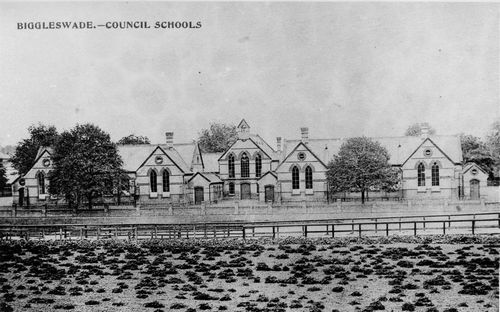
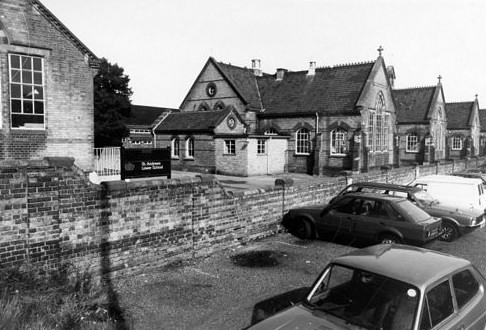
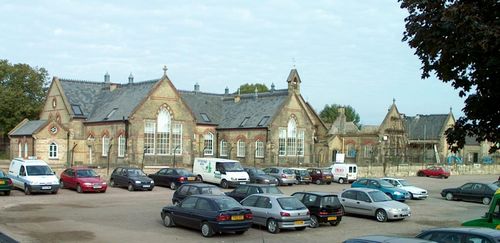
In 1873 The British School (later St Andrews School) was taken over by the new School Board. A new building for 20 boys was erected on Dog Acre field, Rose Lane. When it was enlarged in 1905; the building became The Council Schools for 200 boys 200 girls and 213 infants. Before the First World War, girls learned to cook and boys carpentry at the old Mead House school building in Chapel Fields. New-detached classrooms at each end of the renamed Council Schools replaced these in 1928. In 1944 the senior schools became the mixed Secondary Modern School. When the two Church Schools closed in 1964 ownership of the school was transferred from The County Council to The Church of England and in 1974 housed St Andrews Lower School.
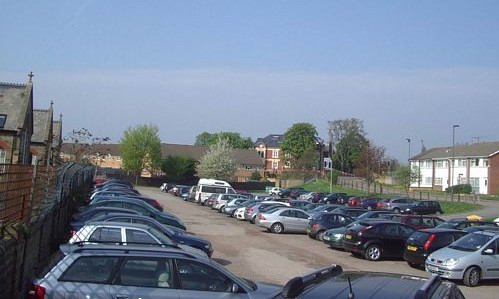
Rose Lane Car Park was known as Hicks Pits, a sand pit in front of the school. This was partially filled in with sweepings from the towns’ roads and has since been the car park.
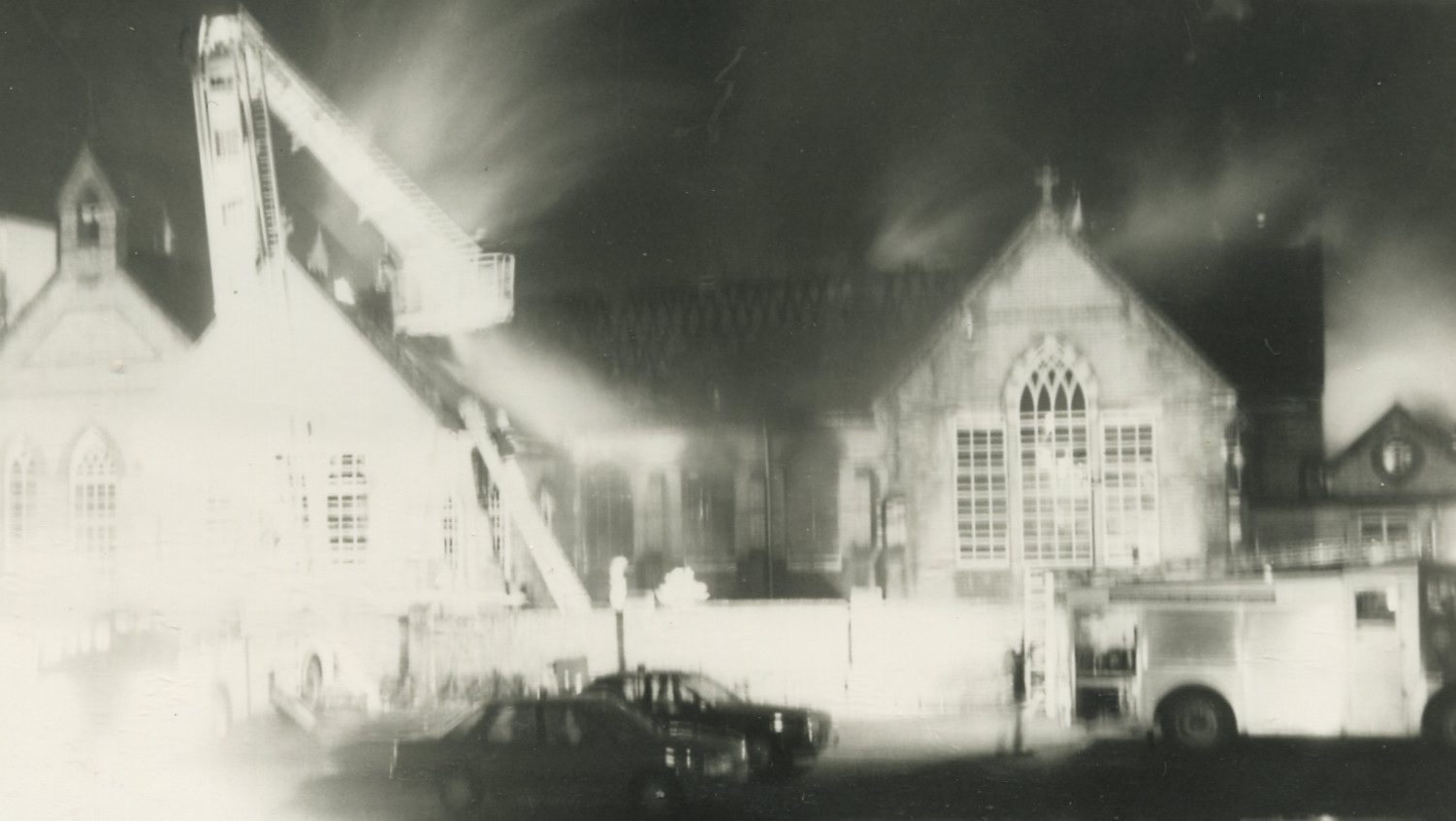
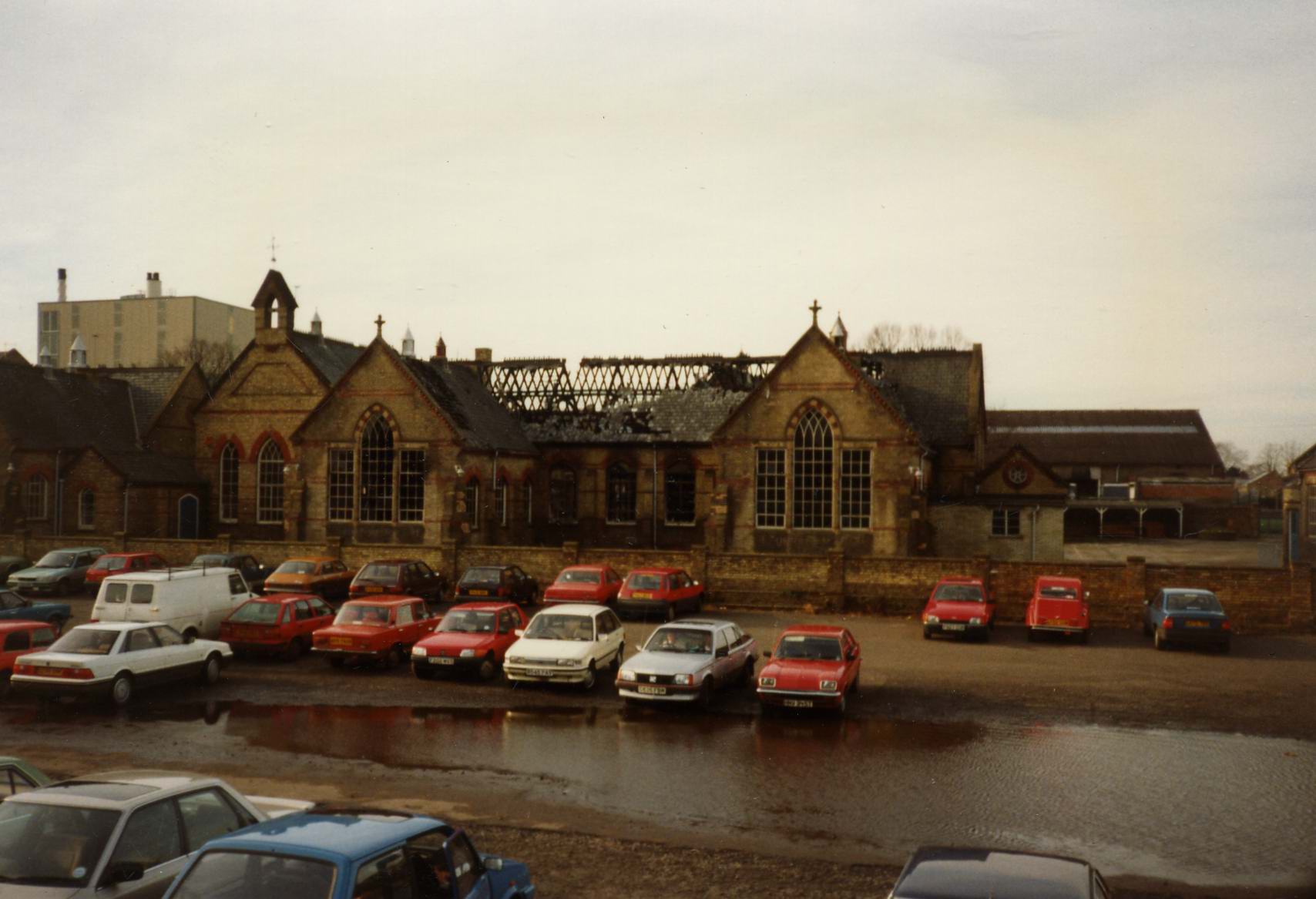
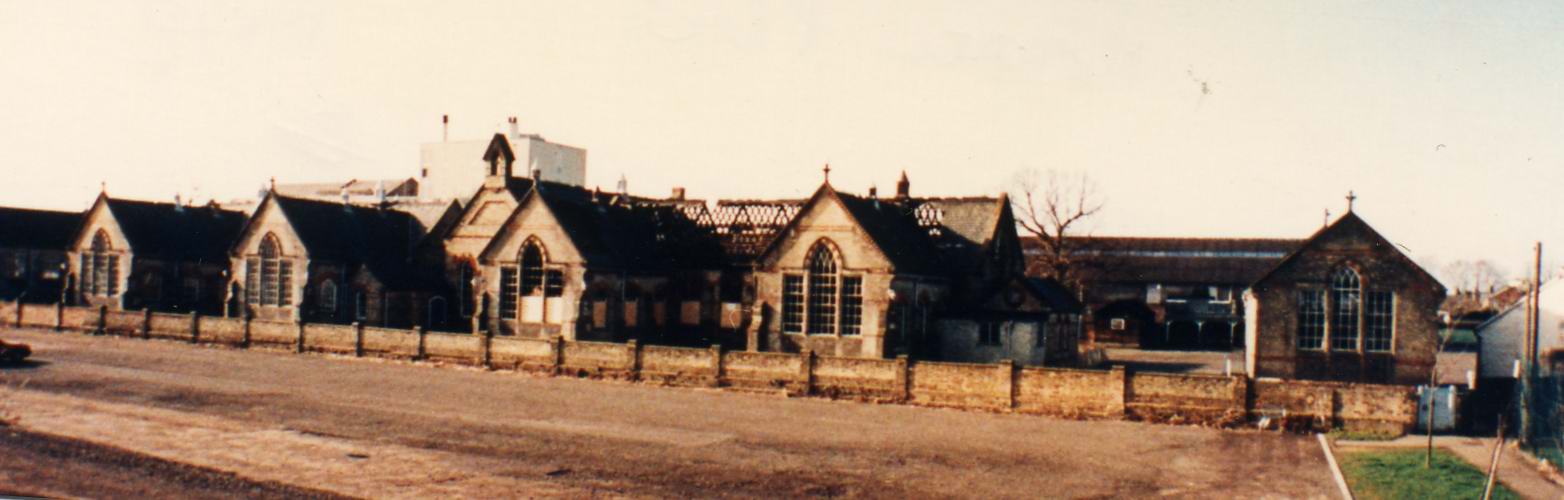
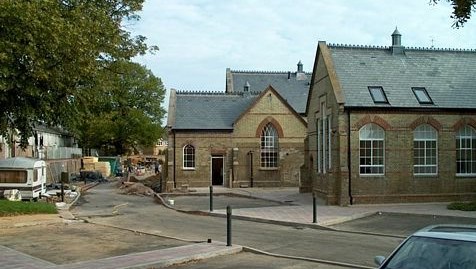
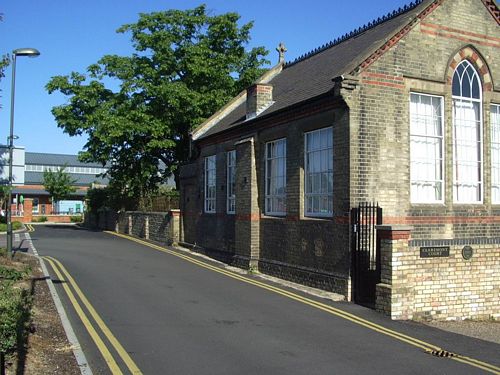
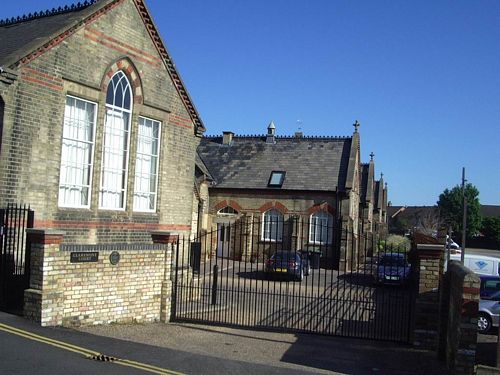
A new St Andrews School was built in Brunt's Lane on part of the playing field and the original school closed in 1988. A part of the building was set on fire by arsonists in 1990. Eventually the building was restored by 2003 and converted into flats with a new name ‘Claremont Court’.
|
|
|
|
The then new Council Schools c1905 |
St Andrews Lower School and Rose Lane Car Park c1970 |
|
|
|
|
The night of the fire and the aftermath. |
|
|
|
|
|
|
|
|
|
|
|
Rose Lane Car Park 2009 looking towards the junction of Rose Lane, Sun Street to the left and Crab Lane to the right. |
Rose Lane Car Park 2015 |
|
|
|
|
Conversion into Flats at Rose Lane School in 2003 |
Rose Lane Car Park in 2003 |
|
|
|
|
Windsor Terrace entrance to ASDA 2009 |
The school is now Claremont Court 2009 |

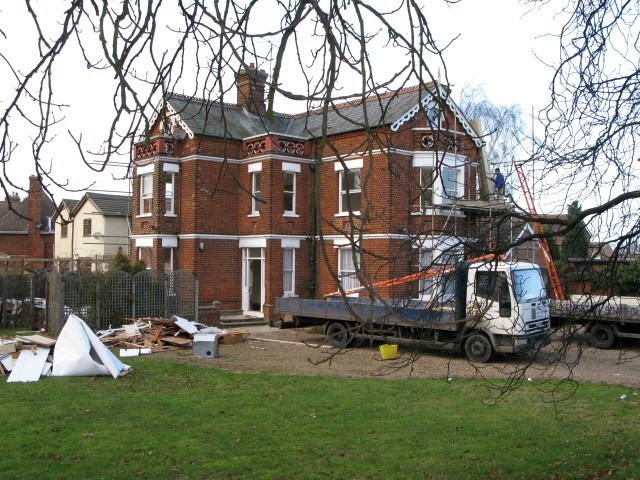
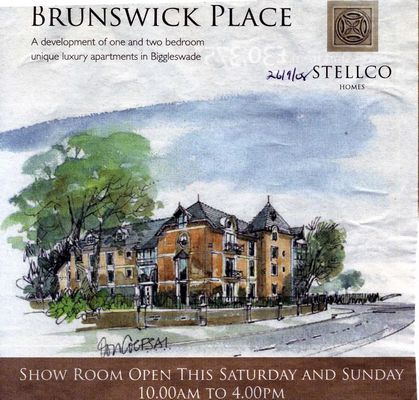
We cross the approach to Sun Street Railway Bridge which divides Rose Lane where Brunswick House was situated. This property had been built in 1894 for Ellis Jeakins who was a boot and shoe manufacturer in High Street; he died in 1911. His sister, Mrs Leticia Carter, was the next occupant; she died in 1936 predeceased by her husband Charles in 1922. Mrs Elizabeth Wilson, daughter of Ellis Jeakins who inherited the house, let it to Mr and Mrs R E Hill who converted it into A Guest House. Mr and Mrs Walter Cooper continued until about 1950, followed by a succession of owners. The developer Angelo Baccacarella (Stellco Homes) demolished in January 2008 and built Brunswick Place containing sixteen sheltered flats at this busy crossroads.
|
|
|
|
Brunswick House demolition in January 2008 |
Brunswick Place advertisement in September 2008 |
|
|
Then we have Villa Rose built for Eric and Florence Linger. Mr Linger had been a wartime Reserve Policeman, fundraiser, cricketer and town councilor whilst Mrs Linger had a hairdressers business in High Street. |
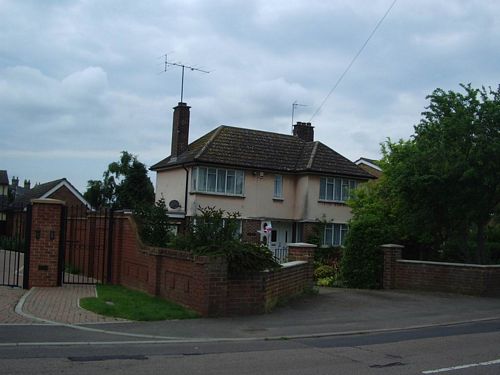
Next are numbers 48 and 50 a pair of semi-detached houses leading into Brunswick Close; whilst Rose Lane continues to a 'T'-junction with St Johns Street and Potton Road at the second railway bridge.
Returning, there are no properties until we approach the crossroads with Sun Street to the right and Crab Lane to the left where there are six modern houses (numbers 83-93) between the road and the railway.
|
|
|
After crossing the road we see houses (numbers 49 to 93) built circa 1970 on former allotments for residents of Rose and Alexandra Terraces that had been built without gardens. |
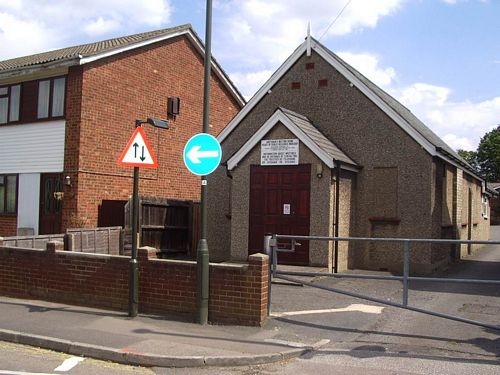
Next is the Plymouth Brethren church; this hasn’t been in use for several years following the construction of a new facility at Saxon Drive. |

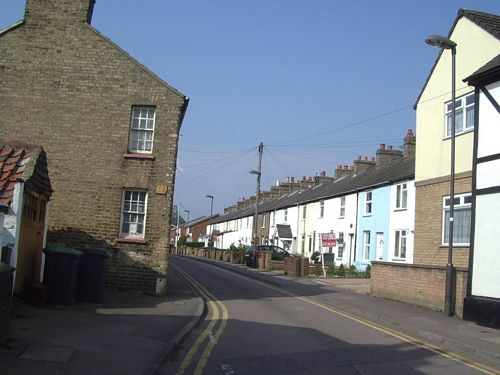
9-43 Alexandra Terrace comprises eighteen cottages built about 1863 when the wedding of the Prince of Wales and Princess Alexandra was celebrated, but it appears that three were not completed in 1871.
|
1871 |
1881 |
1891 |
1901 |
|
Abraham Huckle |
John Barley |
James Kilby |
Ralph Leonard |
|
George Hale |
James Millard |
Rueben Millard |
Rebecca Millard |
|
Charles Scott |
Thomas Breed |
James Wilson |
|
|
George Milton |
James Hale |
James Chambers |
James Chambers |
|
Sophia Culver |
John Dellar |
John Dellar |
John Dellar |
|
Susannah Watts |
James Jeakins |
Walter Barratt |
Alfred Harrison |
|
Green Bryant |
Samuel Hall |
William Sear |
Joseph Millard |
|
George Cooper |
George James Barrenger |
George Barrenger |
George Barringer |
|
Samuel Milton |
George Moore |
William Wilson |
William Wilson |
|
Eliza Bailey |
Louisa Carter |
Louisa Carter |
James Carter |
|
Mary Ann Fuller |
William Massey |
Thomas Larkins |
Frederick Croot |
|
Samuel Illsley |
George Scott |
George Scott |
William Page |
|
Caleb Brunt |
Henry Wood |
Henry Wood |
Rose Wood |
|
George Barratt |
Samuel Stonebridge |
Alfred Wood Civil |
Annie Turton |
|
Jane Norman |
Edward George Fuller |
Joseph Emery |
Emily Emery |
|
not completed |
vacant |
Alfred Arnold |
George Gurney |
|
not completed |
Henry Bottoms |
John Boness |
Jesse Wheatley |
|
not completed |
John Herbert |
William Finding |
Walter Redman |
| |
|
|
Alexandra Terrace 1957 |
Alexandra Terrace 2009 |
|
|
|
7 Here was an ancient detached property (1871 Rueben Vickers shoemaker1881-91 Eben Vickers bootmaker 1901 Mary Vickers widow) which was demolished and replaced with two new houses 7 and 7a. |
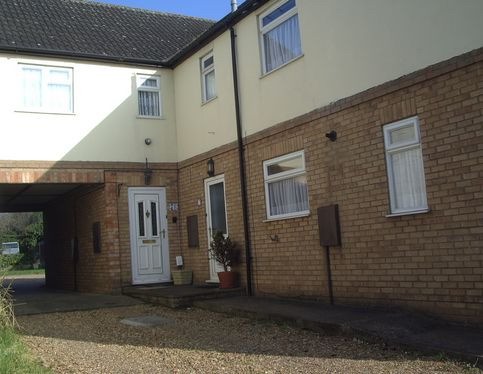
5 Dates back to about 1753. James Kingsley converted it into a brewhouse with a brewery tap off licence. It was sold to Higgins Brewery in 1845 when it became The Post Boy in 1891; it closed in 1973. The former off-licence was converted into a gents hairdressers shop for Albert Pressland. It later became a ladies hairdressers run by Ruby Garner in 1934 and Mrs Harwood in 1941.
|
|
|
|
The Post Boy July 1995 |
The Post Boy c1957 |
|
|
|
|
The Post Boy 1957 looking towards the High Street |
Entrance to Quince Stoneworks yard 2007 |
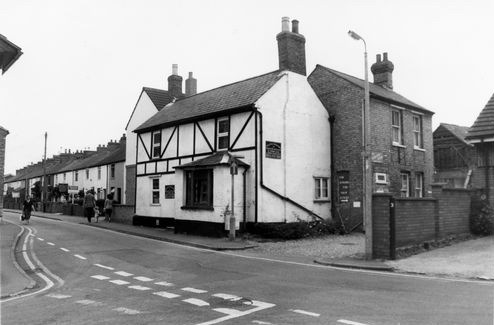


1 & 3 The Old Forge House garage is where a shop (number 3) was and the house has been developed from the original building that served as accomodation for what was part of the original smithy site called Carrington’s Yard. This was where blacksmith George Hill operated a forge in 1880; he lived at 1 Brewery Lane (now Church Street) until 1927). George was succeeded by his son Fred and grandson Stanley.
|
|
|
|
The Old Forge House 2007 (left) and 2009 (right) |
|
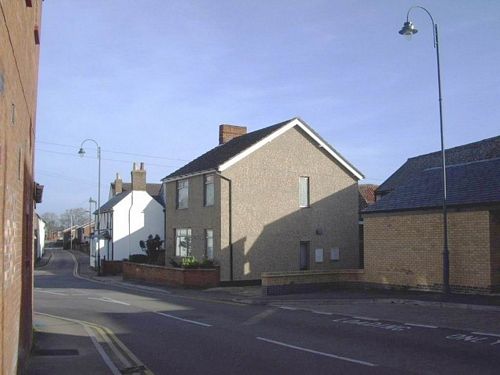
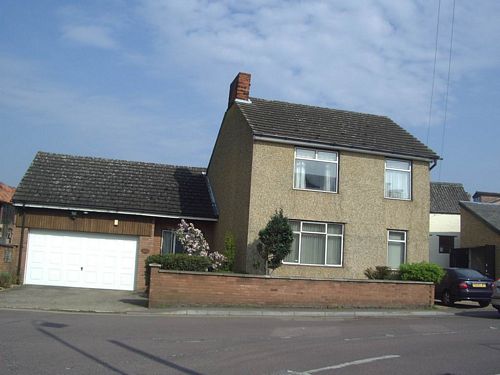
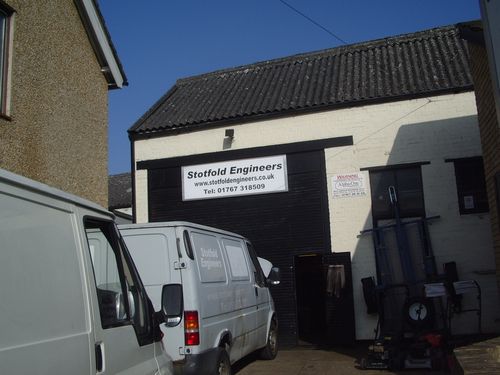
The only remaining part of the smithy site is currently operated by Stotfold Engineering (previously Biggleswade Sheet Metal & Engineering Co Ltd and formerly Ironcrafts) The yard is known for a rather gruesome activity; the account below tells all!
********
BODY SNATCHING IN 1826
"There is an account in the "County Records" of the conviction in 1826, of two Biggleswade labourers for the revolting crime of "body snatching", which was about that time rampant in this and other shires. The marauders used to sell the bodies to medical students for anatomical purposes, and body snatchers carried on a lucrative trade until the provisions of the law were so heavily enforced that the horrible practice was stamped out. Here is the record referred to:-
"8th December, 1826. Indictment of George Lester, late of the parish of Biggleswade, labourer, and William Smith, late of the same, labourer, for entering the Churchyard at Biggleswade, and breaking open the grave of one, John Cooper, lately interred and carrying away the body." In a goal return dated January of the following year their sentence is thus recorded:- "George Lester and William Smith sentenced to pay a fine of £10 each, and to be severally imprisoned in the common goal for three months; and further, until the said fines shall be paid; for breaking a grave, digging up, and taking away a body."
How they came to be detected and captured is told in the following depositions of witnesses at the trial." William Carrington, of Biggleswade, said: I am a carrier and proprietor of a waggon from Biggleswade to London. Between four and five o'clock yesterday afternoon (December 7th, 1826) the two prisoners, with a third person came to my house to enquire at what time my waggon would set out for London, adding that they would have two boxes to send by it. I informed them that the waggon would start at five o'clock on the following morning, but that the boxes must be sent to the office in the course of the evening. The prisoners replied that they could not get them ready until half-past four in the morning, by which time they would bring the boxes to the office. The prisoners are strangers, and their appearance and conduct excited my suspicion, which I communicated to the Revd. Mr. Brown, who, with other neighbours and the watchman, agreed to come to my house and await the arrival of the prisoners. About the time appointed, that is, half-past four, the two prisoners, with their companion, came to my house with a large deal box corded and screwed. As soon as they entered the yard, I ordered the gates to be locked, mentioned my suspicions and refused to allow the box to go by the waggon unless it was previously opened in my presence. The parties having refused, I immediately began to uncord the box, which at that time stood behind the waggon. Whilst I was so employed, Webb, the watchman, told me that two of the parties had jumped over the yard paling, and made their escape. One of the prisoners we then held in custody, whom I ordered the constable (who was also present assisting) to take to the Catherine Wheel public house I afterwards heard that another of the party had been secured and taken to the same place, and with that I went and found both of the prisoners in custody. They were afterwards brought to my house, and as soon as it was daylight the constable, in their presence, opened the box, which contained a corpse in a fresh and perfect state, and which appeared to be recently disinterred. There was also in the box a quantity of sawdust."
The Revd. Robert George Sucklin Brown said: "On Wednesday, December 6th, I buried a corpse in the Churchyard at Biggleswade. I have this morning caused the grave to be opened, and upon examination of the coffin it was discovered that the corpse had been taken away. The linen in which the corpse was buried in the coffin; the grave, from the appearance of the earth, appeared to have been recently disturbed."
Spong & Son's Household
Almanack For 1913
(Republished in the
Biggleswade History Society's publication 'Biggleswade in Words
and Pictures')
********
The next property was the rear of 77 High Street; it was a grocers shop until 1967 when Bob Brookes opened a Do it Yourself Shop. Walter Rook moved inwith his shop after a fire in 1977 when it was partially rebuilt, then Spectre Carpets and lastly Roomz. It was demolished in 2005 to widen the road entrance to permit ASDA supermarket delivery lorries to negotiate the turn out of Rose Lane.
|
|
|
|
Rose Lane c1957 |
Corner of Rose Lane 2005 |
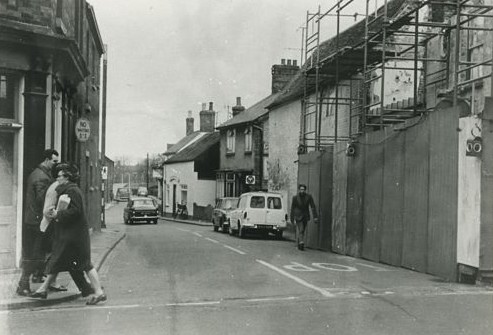
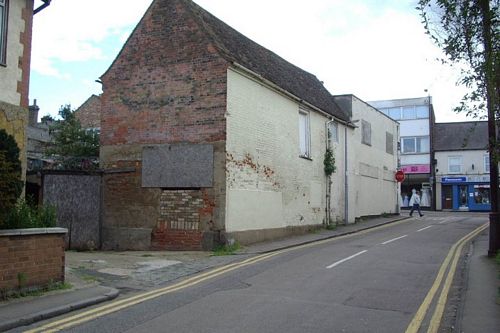
Then across the road one can see The Rose public house, rebuilt in 1899, the rear portion was demolished in 2005 for road alterations to suit access to and from ASDA.
